
SafarisJourneysHow it worksAboutJournalContactEnquire
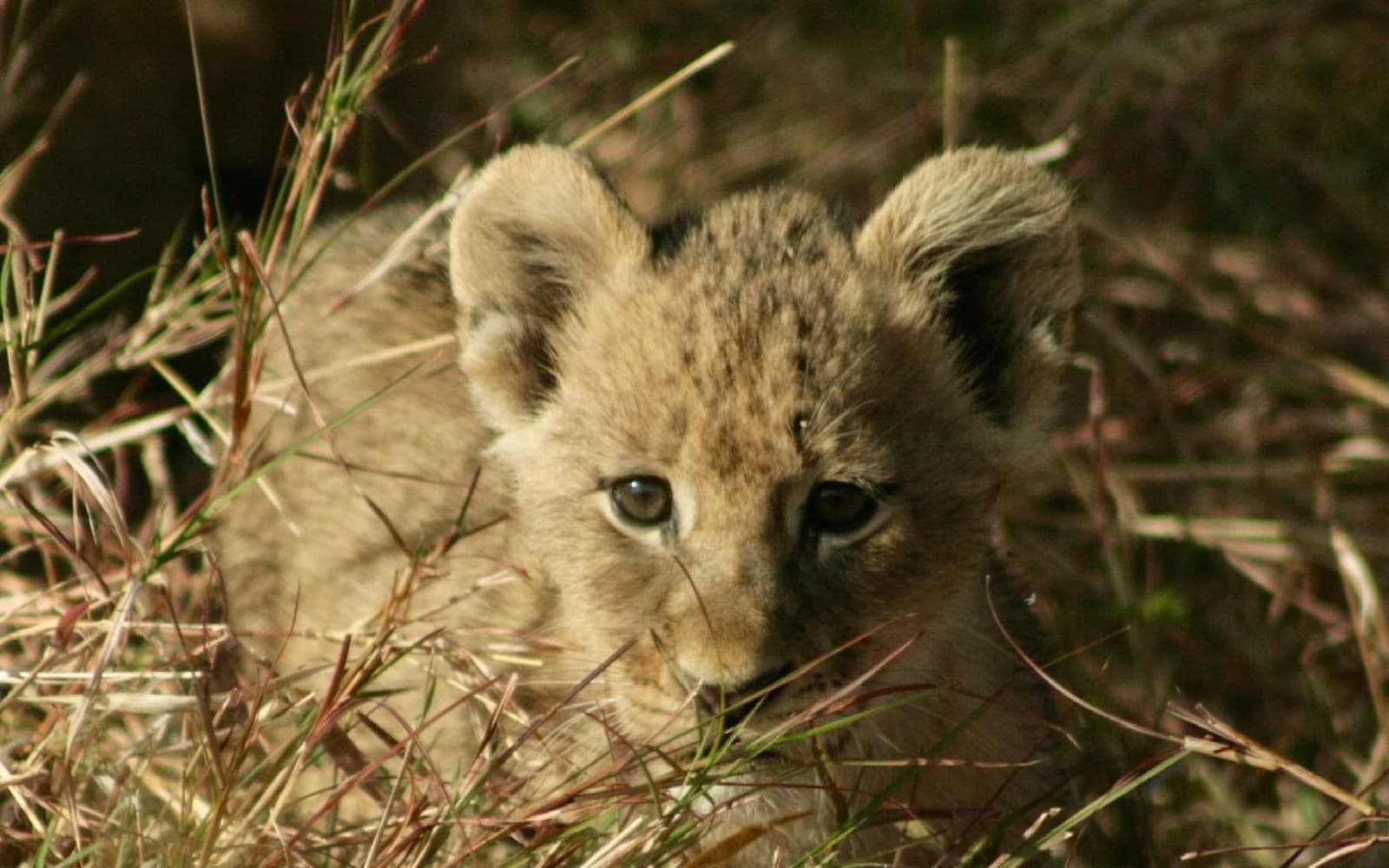
Lion cub photographed on a game drive in the Sabi Sand

Safaris

Five animals, three reserves, one honest recommendation.

Lion, leopard, elephant, buffalo and rhino live within a few hours of each other in South Africa. Where you should go to find them depends on your dates and who is travelling.

Every safari we sell is privately guided and fully hosted: your own vehicle where the reserve allows it, lodges chosen for the room you will actually sleep in, and a guide briefed on what you came to see. Below is how sightings actually happen, which reserve suits which traveller, and how a day in camp runs.

Why guiding matters

A good sighting often starts with something you almost missed.

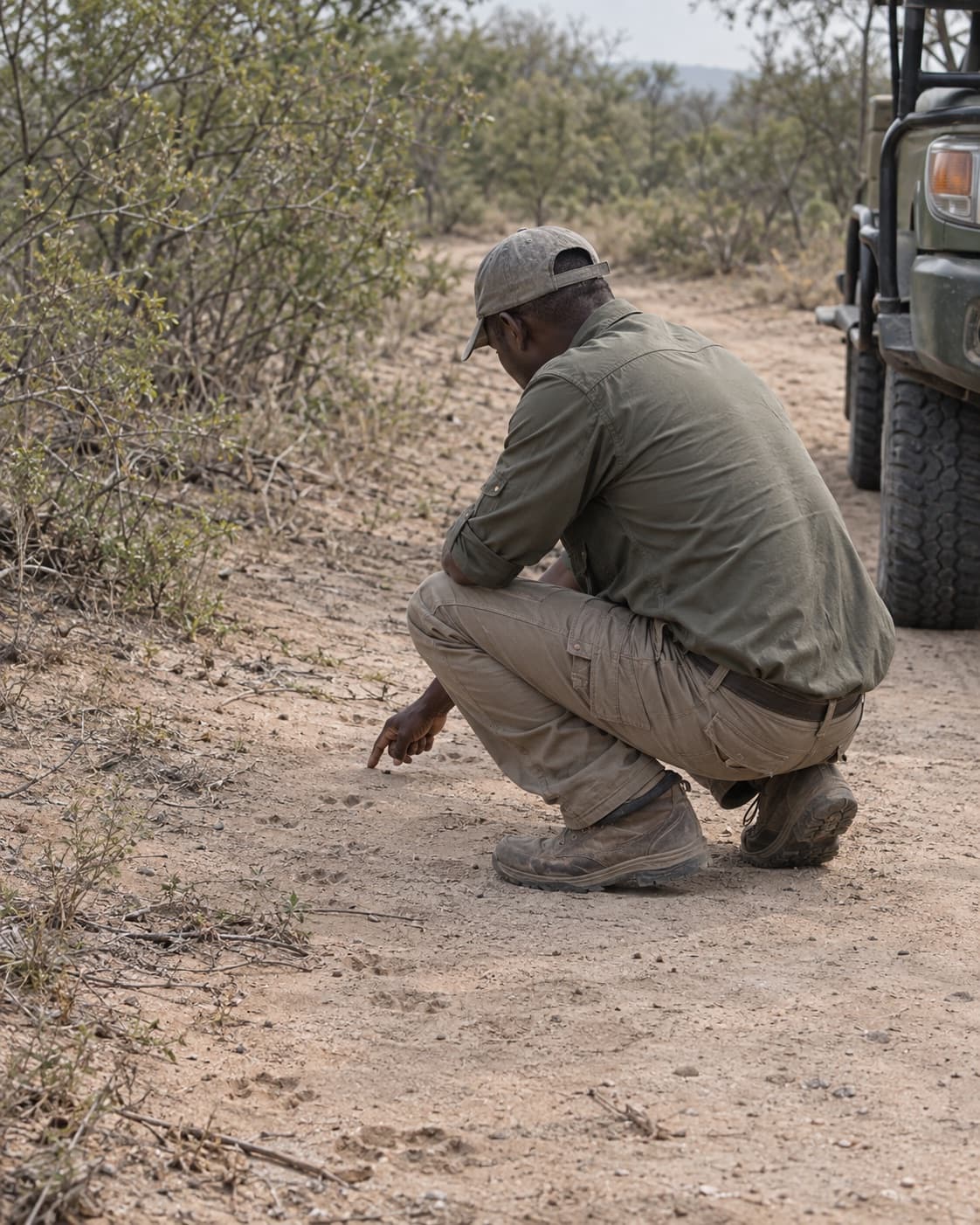
A faint print in the sand. A distant alarm call. A pause beside the track. An experienced guide and tracker notice the details that draw you into the bush’s bigger story.

That is why the people leading your safari deserve as much thought as the lodge. Their knowledge, curiosity and patience shape the experience — helping you understand what you see, and making the search part of the pleasure.

Local knowledgeCareful observationTime to explore
A tracker crouched beside the vehicle, pointing out prints in the sand

Wildlife sightings are never guaranteed. The pleasure is in discovering what each drive brings.

Where we take you

Three reserves we know by name

Each earns its place for a different reason. Tell us the month and the group and we will make the call with you.

Lion cub in the Sabi Sand Game Reserve
01 — Mpumalanga

Sabi Sand

Unfenced with Kruger National Park and traversed by generations of habituated leopard, the Sabi Sand is the reason many people think South Africa does safari better than anywhere. Off-road tracking is permitted, sightings are limited to a handful of vehicles, and the lodges have had fifty years to perfect the art of a bush dinner.

We use it for first safaris where the wildlife has to deliver, for photographers, and for anyone who has waited a long time for this trip.

LeopardBig FiveOff-road trackingPrivate vehicle optionMay–Oct peak
Best forBig cats at close rangeEnquire about Sabi Sand
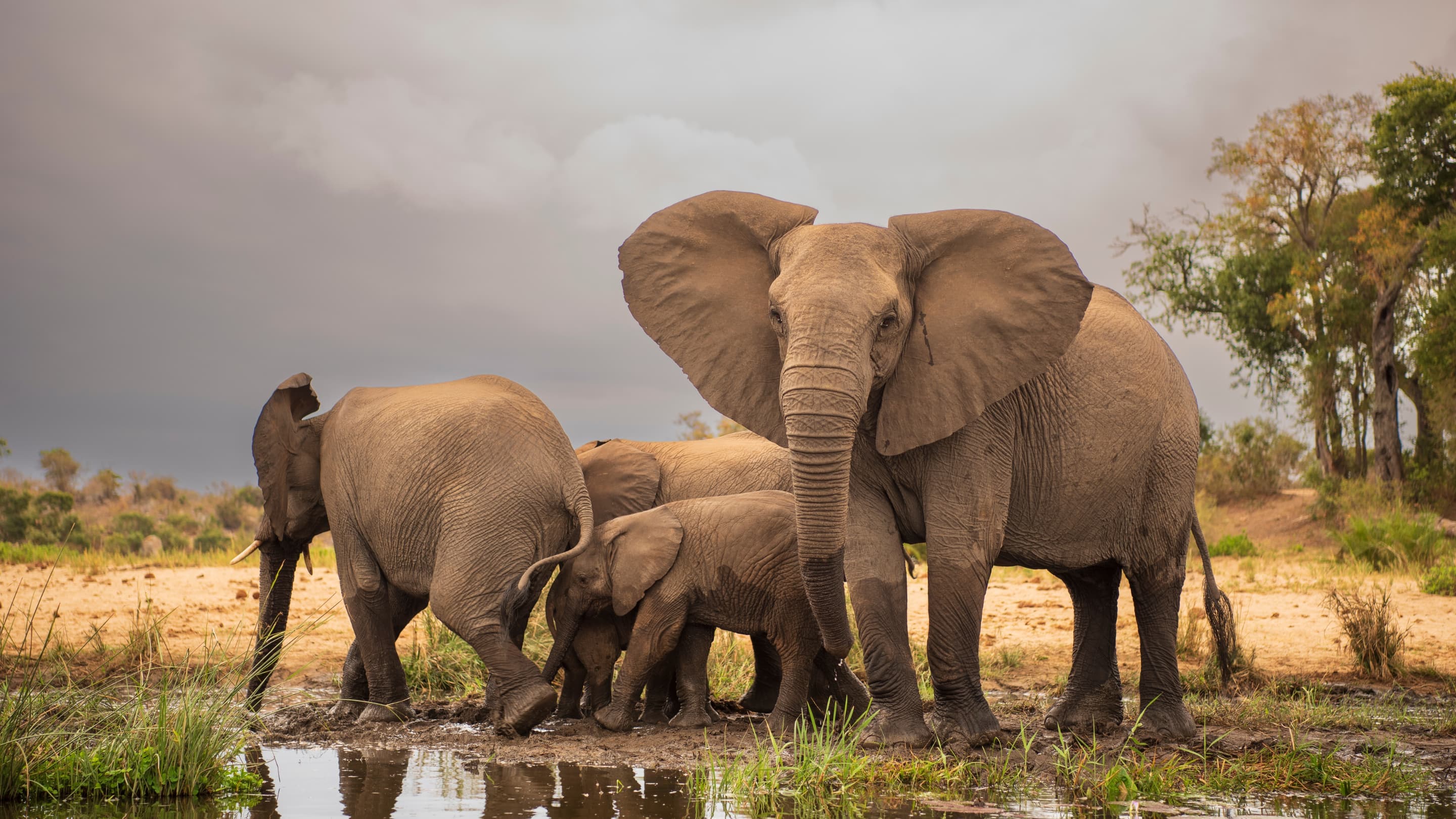
Elephant herd in a private concession of the Greater Kruger
02 — Limpopo & Mpumalanga

Greater Kruger

The private reserves along Kruger's western boundary give you the same wildlife and the same wilderness on a larger scale. Concessions are vast, elephant move through in real numbers, and because camps are often owner-run you get the kind of hosting that large lodge groups cannot fake.

This is where we send most couples on a second safari, and where walking safaris with an armed trails guide are at their best.

Big FivePrivate concessionsWalking safarisOwner-run campsYear round
Best forElephant, walking and spaceEnquire about Kruger
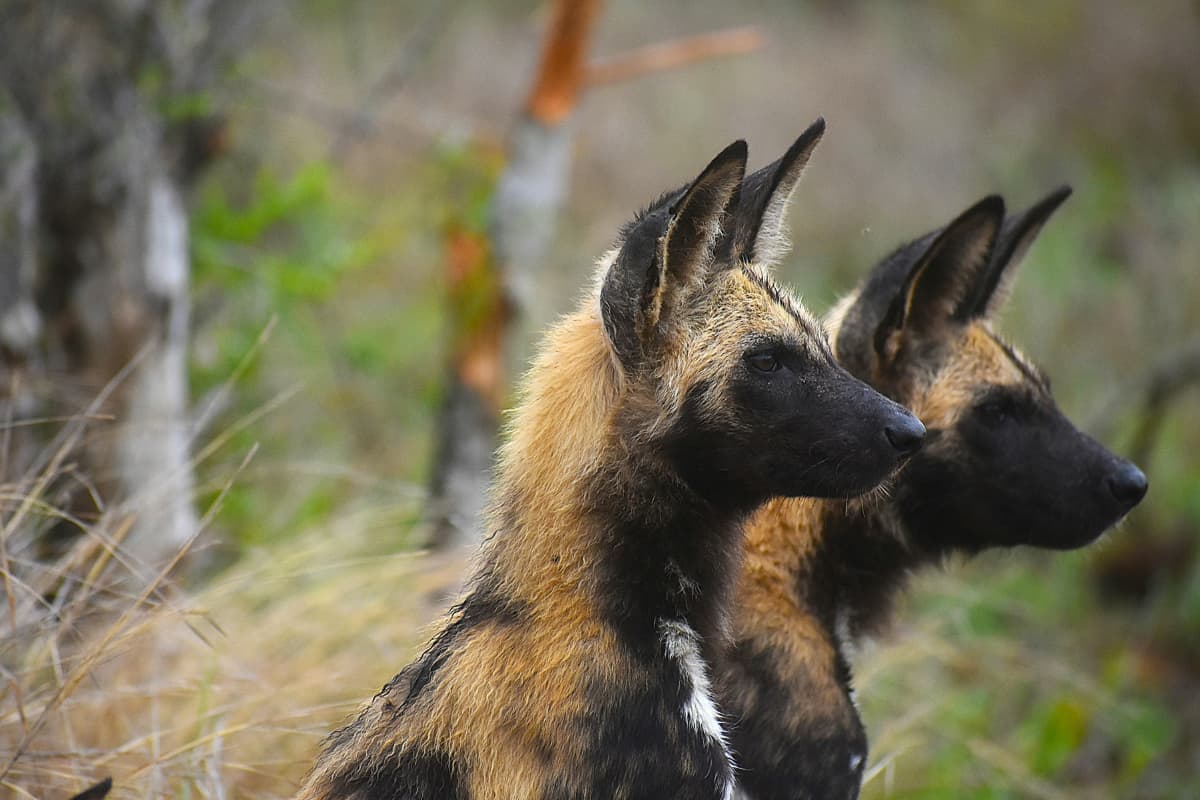
Wild dog in the Madikwe Game Reserve
03 — North West

Madikwe

Malaria-free, four hours from Johannesburg by road or an easy charter, and one of the few great reserves that welcomes young children properly. Madikwe holds one of Africa's most reliable wild dog populations alongside black rhino and big lion prides, in Kalahari-edge country that photographs beautifully in the late light.

We use it for families, for travellers who would rather not take antimalarials, and for short add-ons before a Cape Town week.

Malaria-freeFamilies welcomeWild dogBlack rhinoYear round
Best forFamilies and wild dogEnquire about Madikwe
In camp

A day, from dark to dark.

Camps differ in the detail, but the rhythm holds across all three reserves. It is built around the two hours at each end of the day when the bush is awake.

  • 05:30

    Wake-up and coffee

    A knock at the door, coffee and rusks by the fire while it is still dark.

  • 06:00

    Morning drive

    Three to four hours with your guide and tracker, following what moved overnight. Coffee stop wherever the view earns it.

  • 10:00

    Brunch, then nothing

    A long table, a proper meal, and the hottest part of the day left deliberately empty. Sleep, swim, or watch the waterhole.

  • 15:30

    High tea and the afternoon drive

    Out again as the light softens, into the golden hour and past dark with a spotlight. Sundowners in the open.

  • 19:30

    Dinner in the boma

    Under the fig trees or around the fire, usually with your guide at the table. Bed early, because 05:30 comes fast.

When to go

What each season actually gives you

South Africa has no bad safari month. It has months that suit different things.

SeasonGame viewingWeatherAvailability & crowds
May – Aug
Dry winter
Strongest of the year. Thin bush, animals on permanent water, excellent predator activity.Cold dawn drives, 20–24°C by day, almost no rain.High season. Book 9–12 months ahead.
Sep – Oct
Late dry
Excellent, and the most comfortable balance of the year.Warm and dry, first green flush at the end.Peak. The window we are asked for most.
Nov – Feb
Green season
Good. Newborn impala, migrant birds, dense bush makes tracking work harder.Hot, with dramatic afternoon thunderstorms.Quiet camps and the easiest availability.
Mar – Apr
Shoulder
Very good and improving weekly as the bush thins.Mild, occasional rain, superb light.Shoulder season. Our own favourite window.
What your itinerary covers

Included as standard

  • Lodging and all mealsSuite or tented suite, three meals a day, house drinks and bush dining.
  • Twice-daily game drivesDawn and late-afternoon drives with a qualified guide and tracker.
  • Reserve and conservation feesAll levies, park fees and community contributions.
  • Internal flights and transfersCharters, scheduled hops and road transfers between every point.
  • Private guiding on requestYour own vehicle and guide where the reserve permits it.
  • One point of contactMatt, before you go and while you are there.

Excluded: international flights, travel insurance, premium cellars and spa treatments. Everything is set out in writing before you commit.

Safari questions

Before you enquire

Which reserve should I choose for a first safari?

If the wildlife has to deliver, the Sabi Sand. If you want the same experience with more space and more nights, the Greater Kruger. If you are travelling with children under six or would rather avoid a malaria area, Madikwe. Tell us the dates and the group and we will make the call with you.

Will we see the Big Five?

Over three nights and six drives in any of these reserves, most guests do. Leopard is the least reliable elsewhere in Africa and the most reliable in the Sabi Sand. No honest operator guarantees a sighting, and we would rather set the expectation than sell you one.

Do we need a private vehicle?

Not always. Shared vehicles are capped at six or eight guests and guides are excellent. A private vehicle is worth it for photographers, families with young children, and anyone who wants to sit with a sighting for an hour rather than move on.

How many nights should we spend on safari?

Three is the minimum that gives you six drives and a genuine chance at all five. Four is better. Beyond five nights in one reserve we usually suggest moving to a second, contrasting camp rather than staying put.

What about malaria?

The Sabi Sand and Greater Kruger are low-risk malaria areas and prophylaxis is generally advised, particularly in the wet summer months. Madikwe is malaria-free. Speak to your doctor or a travel clinic; we will tell you plainly which reserve carries which risk.

How far ahead should we book?

Nine to twelve months for June to October, and for any trip over Christmas or Easter. The best small camps have eight to twelve rooms, so availability rather than anything else is usually the constraint. Green-season trips can often be built inside three months.